What's inside
As an Amazon Associate I earn from qualifying purchases. This post may contain affiliate links at no extra cost to you.
Clean holes in brick depend more on the bit, drilling technique, and brick condition than on buying the most expensive accessory. For ordinary wall anchors, a sharp carbide-tipped masonry bit and a hammer drill are usually enough. The main mistake is using too much force or drilling with the wrong diameter, which can leave a ragged opening or split soft brick.
As an Amazon Associate we earn from qualifying purchases at no extra cost to you.


What we cover
Our Top Picks
 DEWALT DW5223 3/16-Inch by 6-Inch Carbide Hammer DrillPack of 18.75 x 1.87 x 0.19 inches0.05 PoundsCheck on Amazon
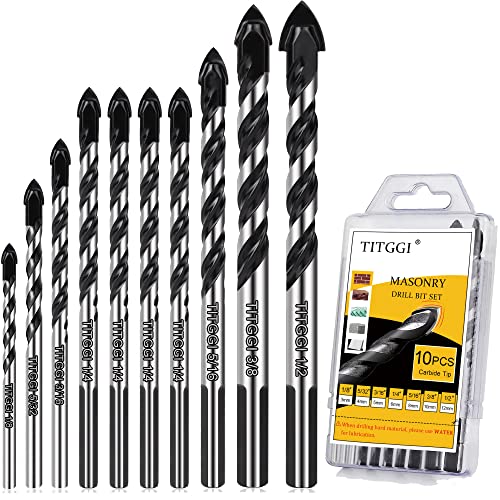
 DYRECELVE 12-Piece Masonry Drill Bit Set and Concrete5.51 x 2.95 x 0.64 inches0.45 PoundsCheck on Amazon



Choose a masonry bit that fits the job
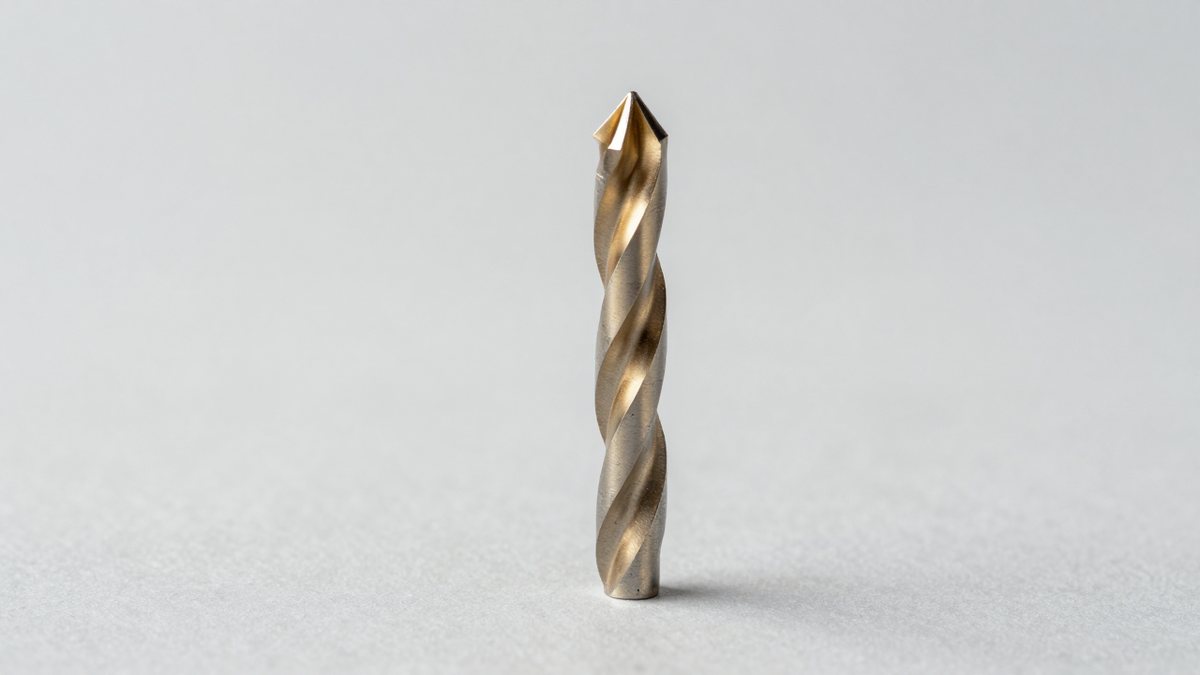
Look for a carbide-tipped bit labeled for masonry or concrete. Its hard cutting tip is made to withstand the impact-and-grind action of a hammer drill; a standard twist bit is not. For occasional holes in brick for lightweight anchors, an inexpensive single bit or small carbide-tipped masonry bit set is generally adequate. Replace a bit that is visibly chipped, badly rounded at the tip, or taking much longer to cut than it used to.
Match the bit diameter to the anchor maker’s instructions, not just the screw diameter. A common plastic wall plug may call for a 1/4-inch hole, for example, but sizes vary. If the hole is too large, the plug can spin or pull out; if it is too small, forcing the plug in can crack the brick or deform the anchor. Check the package before drilling.
Bit options at a glance
| Bit type | Best for | Trade-off |
|---|---|---|
| Basic carbide-tipped masonry bit | Occasional anchor holes in brick | Affordable, but may cut slowly and wear sooner with frequent use |
| Higher-quality carbide masonry bit | Repeated holes or tougher, dense masonry | Costs more; not necessary for a handful of small holes |
| SDS-plus masonry bit | Rotary hammers and frequent drilling | Requires an SDS-plus tool; does not fit a standard three-jaw chuck |
Do not buy an SDS bit just because it looks more substantial. It needs a rotary hammer with the matching SDS-plus or SDS-max holder. For a cordless hammer drill with a conventional chuck, choose a round-shank bit that fits the chuck. A rotary hammer is a better choice for many large holes or repeated work, but it can be excessive for a few small anchor holes.
Drill the brick, not the mortar—unless the load allows it
For a secure fixing, drill into the brick rather than the mortar joint. Mortar is often softer and more likely to crumble, so an anchor in a joint may loosen under load. If the job is light-duty and the brick itself is cracked, a sound mortar joint can sometimes be the less risky location, but do not rely on it for a heavy bracket or anything overhead. Follow the anchor’s load rating and installation instructions.
Brick varies. A soft brick can chip or fracture under hammer action, while a dense, hard brick may drill slowly. If the surface is fragile, begin without hammer mode and use light pressure; switch to hammer mode only if the bit is barely advancing. On hard brick, hammer mode is often useful from the start. In either case, stop if a crack forms or the brick begins breaking away.
A clean-hole method
First check for pipes and wiring, especially near switches, outlets, taps, and radiators. Mark the hole and use a level if alignment matters. Put a small piece of masking tape over the mark if the bit tends to skate on a glazed or rough face, then make a shallow starting dimple with the bit at low speed.
Hold the drill square to the wall and start slowly. Once the bit is seated, use steady moderate pressure and let the carbide tip do the work. Pressing hard can overheat the bit, bog down the drill, or make the hole wander. Pull the bit out every few seconds to clear dust, particularly in deeper holes; packed dust slows cutting and can make the bit bind. Drill to the anchor’s specified depth, allowing a little room for dust at the bottom rather than driving the bit hard against it.
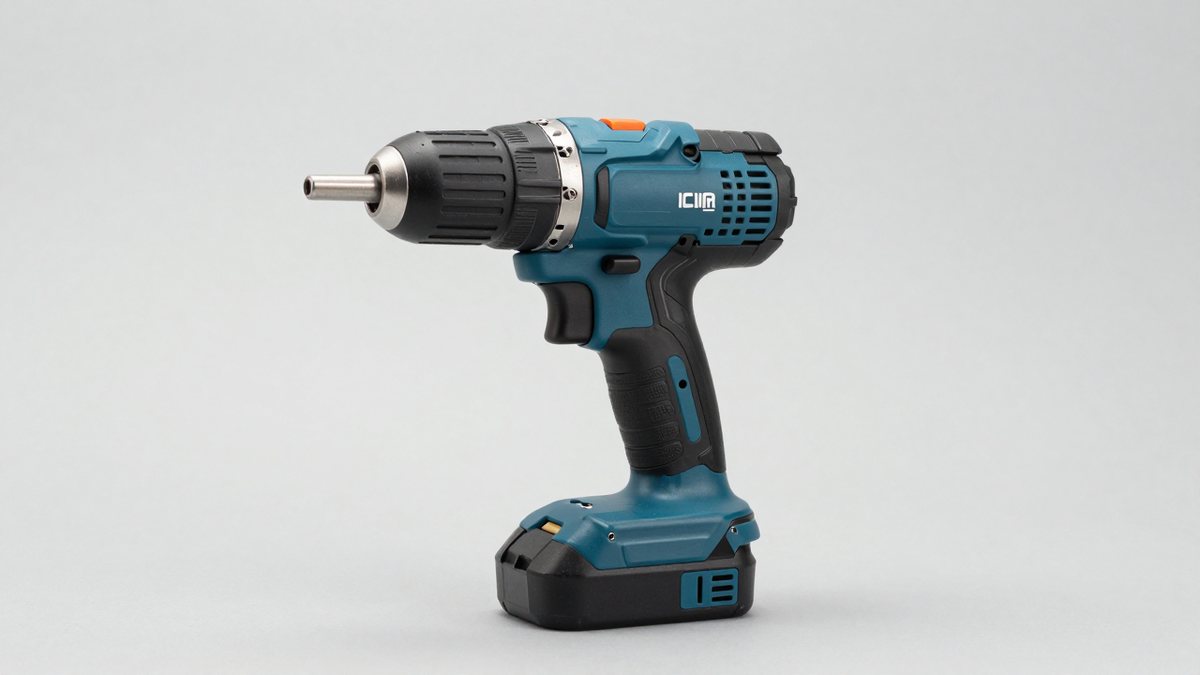
If using a cordless hammer drill, start with a charged battery and select hammer mode only when appropriate for the brick. A standard drill can make small holes in soft masonry, but it may be slow in hard brick. A hammer drill adds impacts; a rotary hammer delivers stronger blows and is better for sustained masonry work. Avoid impact-driver bits and impact mode for drilling masonry holes: an impact driver is designed mainly to turn fasteners, not to give a masonry bit the controlled cutting action it needs.
What to buy for common jobs
For a few holes for picture fittings or light-duty plugs, buy the exact diameter required in a basic carbide-tipped bit. A set is convenient if you expect to use several anchor sizes, but skip a large assortment if you only need one. For shelves, rails, or repeated installations, a better-quality carbide masonry bit can be worth the extra cost because it is less frustrating when drilling many holes. If the job involves large-diameter holes or a run of masonry drilling, consider a compatible SDS-plus bit set and rotary hammer instead.
Keep the hole diameter exact, clear the dust before inserting the anchor, and stop if the brick cracks or the bit wanders. Those basics matter more to a clean, secure hole than paying for a premium bit you will rarely use.
Related guides
More from Amazon
Programs that pair well with the guide above. Offers and eligibility are set by Amazon and may change.
A free business account with business pricing and bulk-buying tools for work, shop or home office.
Create a business accountFree shipping on eligible items, Prime Video and more. Eligible new members can start with a free trial.
Start a Prime free trialAudiobooks and podcasts to listen to on the go. Eligible new members can start with a free trial.
Try Audible freeAd-free music streaming. Eligible new subscribers can start with a free trial.
Try Music Unlimited freeAs an Amazon Associate we earn from qualifying purchases.