Key takeaways
- Twenty years of holes in wood, brick and steel taught me most people buy too much drill. Here is what to actually get.
What's inside
As an Amazon Associate I earn from qualifying purchases. This post may contain affiliate links at no extra cost to you.
Name’s Miller. I drill holes for a living, and I have owned more drills than most people own shoes. Every year somebody asks me the same question: what is the best cordless drill? The honest answer is that the best drill for a contractor is the wrong drill for a homeowner, and vice versa.
So let me split it properly, then explain the specs that actually matter so you can argue with me intelligently.
As an Amazon Associate we earn from qualifying purchases at no extra cost to you. Product prices and availability are accurate as of the date shown and are subject to change.


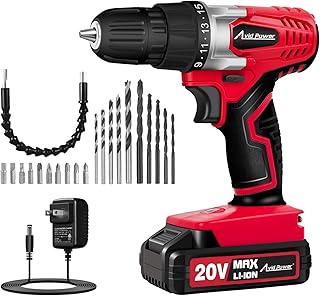

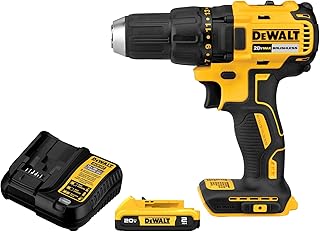

Choosing the best cordless drill comes down to three boring variables: how often you pick it up, what you drill into, and how long you are willing to stay married to one battery platform. Get those right and almost any modern brushless drill from a serious brand will serve you. Get them wrong and you will resent a perfectly good tool for years.
Here is the short answer by use case. The rest of the page is me showing my work.
| Use case | What to buy | Battery size | Rough budget |
|---|---|---|---|
| Homeowner, occasional | Compact brushless drill/driver | 2Ah | $100–160 |
| Weekend woodworker | Brushless drill/driver + impact combo | 4Ah | $180–260 |
| Remodeler / daily trade | Full-size brushless hammer drill | 5Ah | $220–350 |
| Concrete and masonry | SDS rotary hammer (separate tool) | Any | $200+ |
Treat those rows as a floor, not a ceiling. Nobody has ever complained to me about owning slightly too much drill; plenty of people have complained about a flat battery at four in the afternoon. If you fall between two rows, take the tool from the lighter one and the battery from the heavier one.
Torque Numbers Lie to You
Every box shouts an inch-pound figure. Those numbers come from lab tests at stall, and they tell you almost nothing about drilling a hundred pilot holes. What actually matters day to day:
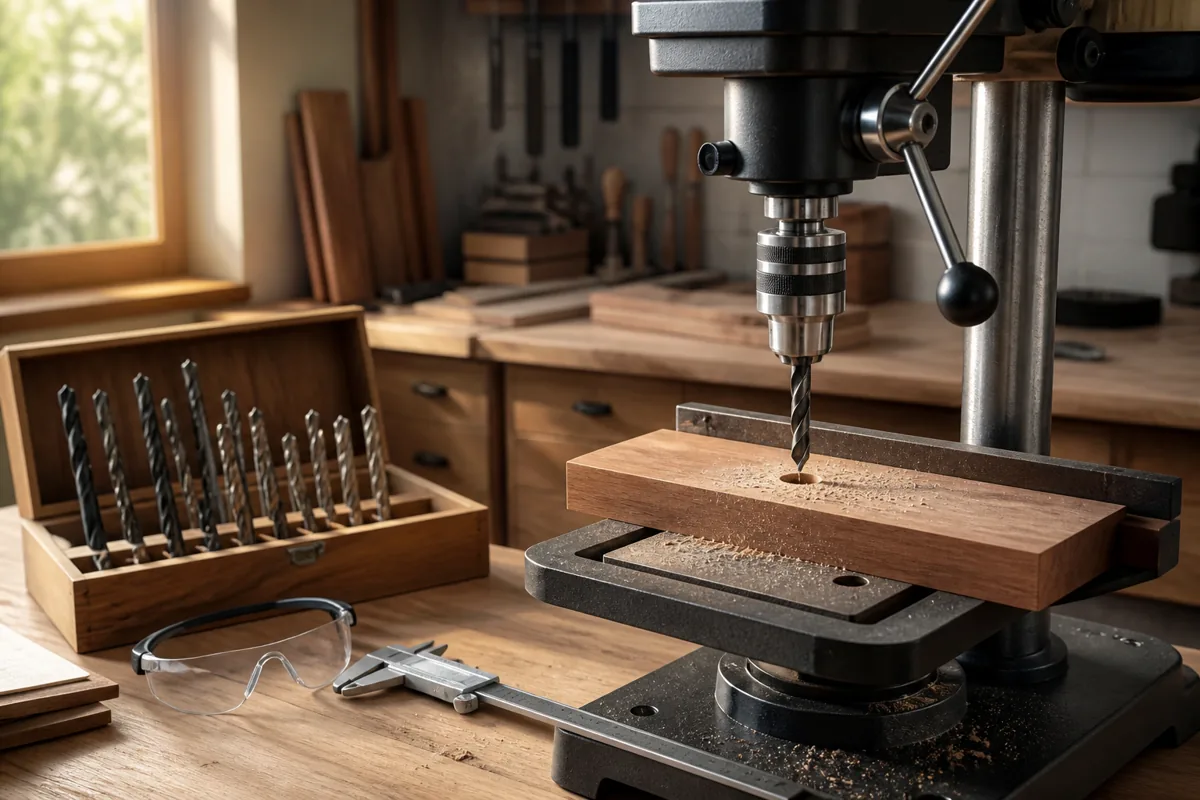
Chuck quality. A cheap chuck lets the bit walk. A good all-metal chuck holds a 1/8″ bit dead centre after two years of abuse. This is where budget drills give themselves away. Test it before you pay: clamp a long straight bit, run the drill slowly and watch the tip. A good chuck draws a tiny circle; a bad one visibly orbits.
Clutch resolution. More clutch settings means finer control when you are driving into soft pine or plasterboard. Fifteen-plus is fine, twenty-plus is nice. The numbers are relative to that tool, not absolute, so find your setting on a scrap of the same stock before you touch the real work.
Weight and head length. Between studs, head length beats torque every time. A short compact drill you can actually fit into the space will out-perform a monster you have to angle awkwardly. Compare weights with the pack you will actually run, not the bare-tool figure printed on the box.
Brushless. Non-negotiable in my book now. Longer runtime, less heat, less maintenance. The price gap has almost closed. It also holds speed better under load, which is what you feel when a big bit starts to bite.
Two real speed ranges. Low for large bits, hole saws and long screws; high for small pilot holes where you want revolutions rather than grunt. A single-range drill makes you fight it both ways.
Trigger control. The first quarter of the pull is where you start a hole without a punch and ease a seized screw back out. If a trigger goes from nothing to full speed with no useful middle, walk away.
How I Weigh Those Against Each Other
- Will it fit the tightest space you actually work in? If not, nothing else matters.
- Is the chuck all-metal, and does it hold a small bit straight?
- Does the platform carry the other tools you will want in three years?
- Do the trigger and clutch give you control at low speed?
- Torque. Last. Genuinely last.
What Separates a Good Pick From a Bad One at Each Price
Under $100. Brushed motor, part-plastic chuck, one small pack. Fine if you hang pictures twice a year. Poor value if you use it monthly, because the chuck and the battery both give up early and there is nowhere to upgrade to.
$100 to $160. Insist on brushless, a metal chuck, two batteries and a case. What separates good from bad here is the platform behind the drill, not the drill: check that the same battery runs a saw, a sander and a work light, and that bare tools are sold on their own.
$180 to $260. Combo kit money. Take one 4Ah pack over two small ones, and check the charger is the fast unit rather than the slow one they pad kits out with.
$220 to $350. Full-size hammer drill for daily work. You are paying for an all-metal chuck, a side handle that genuinely locks, a metal belt hook, and a brand whose parts you can still buy in five years.
My Picks
Three tools cover nearly everybody. Find your row, buy that one, ignore the other two.
Compact brushless drill/driver — the homeowner default
Light, short, enough torque for anything a house throws at you. Get one with two batteries and a decent case. This is the drill 80% of people should buy and never think about again.
Skip it if you drill masonry more than a few times a year, or if you already own batteries on a platform you like. In that case buy the bare tool and keep your packs.
Brushless hammer drill — for masonry and daily use
Hammer mode handles brick, block and the occasional concrete anchor. Heavier, but if you are drilling into masonry more than twice a year you will want it.
Skip it if your walls are timber and plasterboard. You would carry the extra weight and head length every day to use hammer mode twice.
Drill and impact driver combo kit
The single best-value purchase in cordless tools. Two tools, two batteries, one charger, usually cheaper than buying the drill and driver separately.
Skip it if you have no use for an impact driver, or if you are already on a platform where two bare tools cost less than a fresh kit.
Battery Size: The Mistake Nearly Everyone Makes
People buy the kit with two tiny 1.3Ah or 2Ah packs because it is $40 cheaper, then spend three years annoyed that the drill dies mid-job. Buy at least one 4Ah or 5Ah pack. Keep a small one for overhead work where weight matters, and a big one for everything else.
Amp-hours are runtime, not power. Two packs beat one, because one of them is always on the charger, and a slow charger quietly turns your spare into your only battery. Buy first-party packs, do not store them flat over winter, and retire anything swollen.
You Are Really Buying a Battery Platform
The drill is the cheap part of a ten-year decision. Count the tools on the platform, check bare tools are easy to get, and check packs are stocked near you. Twelve-volt compacts are lovely for cabinet work; 18V/20V is the sensible default because the range behind it is deeper.
What You Do Not Need
Somebody has to justify the model on the higher shelf. These are the features I would not pay extra for:
- ✘ Three-speed transmissions if you only drill wood
- ✘ 60V or 40V platforms for a drill — that power is for saws
- ✘ Bluetooth tool tracking on a homeowner drill
- ✘ A $300 drill to hang pictures twice a year
None of that is bad engineering. It is just not what you notice on the tenth hole, and money spent there is money not spent on bits and batteries.
The Mistakes I See Most Often
- Buying on the torque sticker and ending up with a drill too long to fit between studs.
- Driving long screws with the drill when an impact driver would do it without cooking the clutch.
- Cheap bits in a good drill. A blunt bit makes any tool feel gutless.
- Skipping pilot holes in hardwood and near board ends, then blaming the drill for the split.
- Never cleaning the chuck. Dust in the jaw tracks is what makes a straight bit wander.
How I Test a Drill Before I Trust It
Three jobs. First: fifty 3-inch screws into dry framing lumber, watching for heat at the trigger. Second: a 1-inch spade bit through a doubled 2×4, looking for stall and how the clutch behaves. Third: a masonry bit into brick for anchors. A drill that survives those three without cooking is a drill I will take to work.
What I watch, in order: heat at the trigger housing rather than the vents, whether the clutch lets go cleanly or shudders, whether the chuck has loosened itself by the end of the spade bit run, and how much pack is left at the finish.
FAQ
Do I need a hammer drill?
If you hang anything on brick or block, yes. If your walls are all timber and plasterboard, no. And if concrete is the everyday job rather than the odd anchor, the answer is a rotary hammer, not a bigger drill.
Brushless or brushed?
Brushless. The only reason to buy brushed now is a very tight budget on a tool you will barely use.
Is an impact driver a replacement for a drill?
No, and I wrote a whole page about it — they do different jobs and you want both. The drill makes holes and gives you measured torque through a clutch; the driver hammers fasteners home and has no interest in precision.
How many batteries do I actually need?
Two, sized differently, plus a charger you are not embarrassed by. A third only earns its keep if you work all day and cannot stop.
The Short Version
Buy a compact brushless drill from a platform with a deep tool range, get a 4Ah battery, and spend the money you saved on decent bits. Bad bits ruin good drills, and nobody ever tells you that in the store.
Fit first, chuck second, platform third, torque last. Everything else on that box is a sticker.
See current drill kit prices →