What's inside
- Choosing an impact driver for sheet-metal screws
- Impact driver or drill?
- Features that matter at the fastener
- Match the tool to the work
- Drive screws without damaging the sheet
- Safety and practical limits
- What to Look For When Sheet Metal Is the Target
- Which Driver Class Fits Your Job?
- Common Mistakes When Buying and Using One
- Questions
- How Metal Type Changes the Approach
As an Amazon Associate I earn from qualifying purchases. This post may contain affiliate links at no extra cost to you.
What we cover
- Choosing an impact driver for sheet-metal screws
- Impact driver or drill?
- Features that matter at the fastener
- Match the tool to the work
- Drive screws without damaging the sheet
- Safety and practical limits
- What to Look For When Sheet Metal Is the Target
- Which Driver Class Fits Your Job?
- Common Mistakes When Buying and Using One
- Questions
- How Metal Type Changes the Approach
Our Top Picks
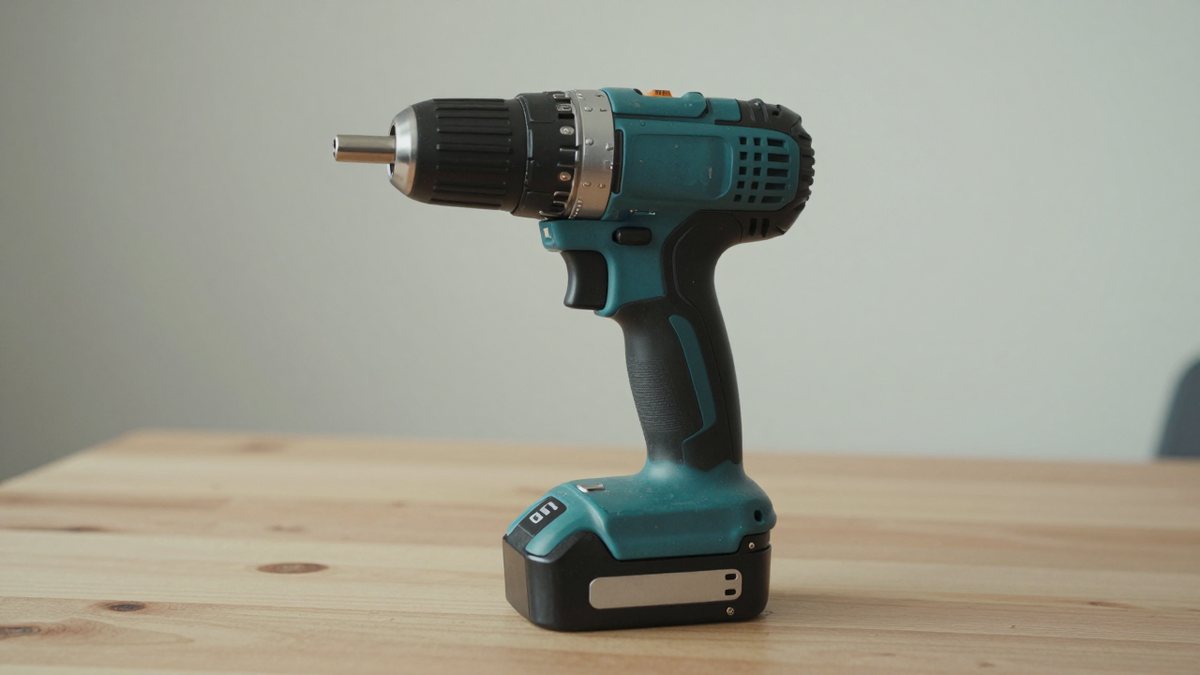
 Makita DF012DSE 7.2V Lithium-Ion Cordless 1/4" Hex Driver-Drill14.38"L x 10.75"W x 4.13"H4.3 x 14.4 x 10.1 inches0.9 poundsCheck on Amazon


Choosing an impact driver for sheet-metal screws
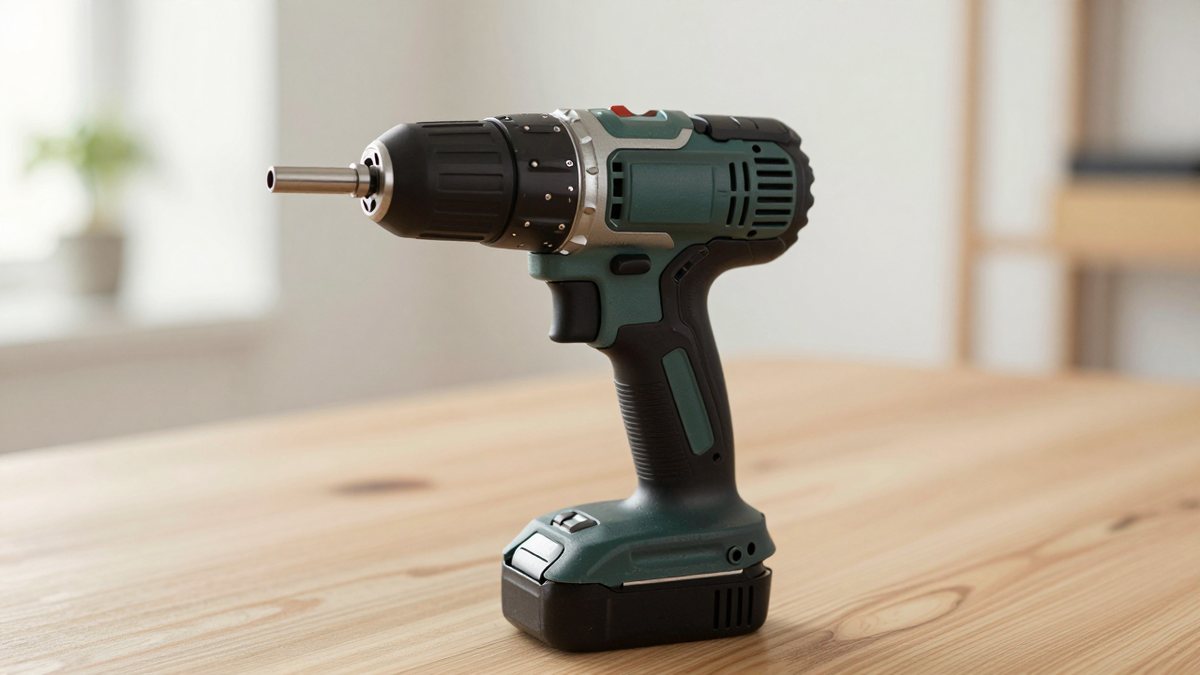
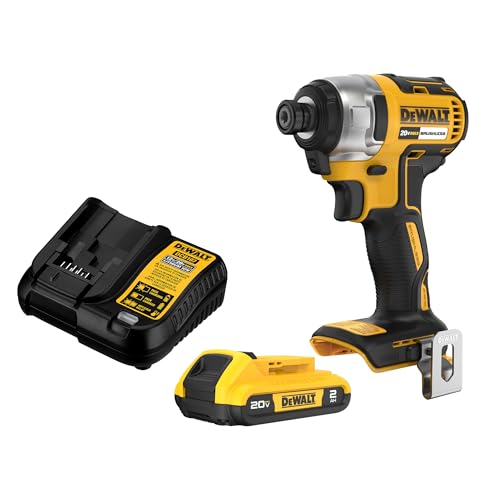
Self-tapping screws can be quick to install with an impact driver, but sheet metal is easy to strip or deform. The right tool is less about maximum torque than controllable speed, a good screw bit, and stopping as soon as the head is seated. For occasional ductwork or light-gauge panels, a basic 12-volt driver may be enough. For frequent work, a compact 18- or 20-volt model gives more power and usually a broader battery ecosystem.
Look for a variable-speed trigger and, ideally, a low-speed or fastening mode. A shorter, lighter tool is easier to keep square against a panel and reduces wrist fatigue when driving many screws overhead. If you already own cordless tools, staying with that battery platform is often better value than buying a new system for a small difference in driver performance.
As an Amazon Associate we earn from qualifying purchases at no extra cost to you.



Impact driver or drill?
An impact driver delivers short bursts of rotational force when resistance rises. That makes it useful for driving screws without the reaction torque that can twist a conventional drill in your hand. But those bursts can also spin a small self-tapper past its grip point in thin metal. A drill’s clutch gives more direct control and can be the safer choice when screw size, metal thickness, or finish quality demands a consistent stop.
For a mix of construction fastening and sheet-metal jobs, an impact driver with variable speed and multiple modes is a practical general-purpose buy. If your work is mostly delicate or repetitive fastening, consider a drill-driver with an adjustable clutch instead.
Features that matter at the fastener
| Feature | Why it matters | Trade-off |
|---|---|---|
| Variable-speed trigger | Lets you start slowly and keep the screw from skating or overdriving. | Trigger sensitivity varies; practice on scrap first. |
| Low-speed or fastening mode | Reduces the chance of stripping thin metal or snapping a small screw. | Not every tool’s mode behaves the same with every screw. |
| Compact body | Fits between framing and is easier to control overhead. | Small tools may have less sustained power for larger fasteners. |
| Battery size | A larger pack can extend runtime on a long installation. | It adds weight and can make accurate starts harder. |
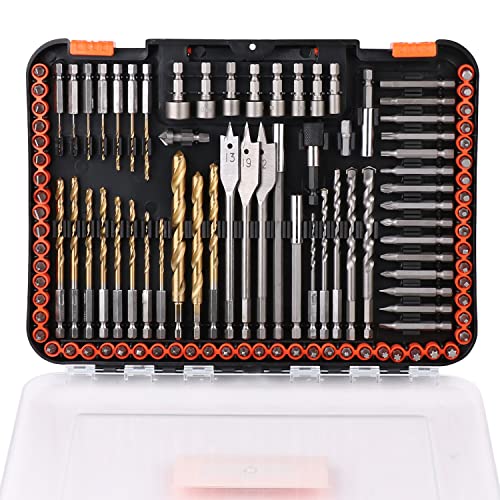
Most impact drivers use a 1/4-inch hex collet, so you need a suitable hex-shank driver bit. Match the bit to the screw recess: a loose Phillips or square bit can cam out, chew up the head, and leave you with a stuck fastener. Use impact-rated bits for impact-driver use; ordinary bits can wear or break sooner under repeated hammering. A set of impact-rated hex driver bits is a sensible addition if your current bits are worn or don’t fit securely.
Match the tool to the work
A compact 12-volt impact driver is a good budget choice for occasional small screws and tight spaces, provided it has a responsive trigger and the fasteners are within its capacity. It may bog down on larger self-tappers or long runs through heavier material. A 18- or 20-volt driver is the better all-round choice for regular use, but a high-power model is not automatically gentler or more suitable for thin sheet. For jobs where finish and repeatability matter, prioritize a low setting over headline torque numbers.
Battery kits cost more up front than a bare tool, but make sense if you need batteries and a charger. If you already have compatible packs, a bare tool can keep the cost down. For a homeowner installing a few panels or repairing a duct, the least expensive compatible driver with a good trigger may be entirely adequate; paying extra for the most powerful tool is unlikely to improve the result.
Drive screws without damaging the sheet
Start with the screw manufacturer’s guidance for screw type, drill point, and material thickness. Self-drilling screws have a drill-shaped tip; self-tapping screws may require a pilot hole, depending on the screw and metal. Don’t assume one screw style works for every gauge. A fastener that is too long can hit wiring or other material behind the sheet, while one that is too short may not engage enough threads.
Keep the driver and screw perpendicular to the surface. Start at low speed with light pressure until the point bites, then increase speed only as needed. Stop when the head is seated and the washer, if present, is compressed as specified—not when the driver has hammered for another second. Overdriving can strip the threads, dimple the panel, or break the screw; underdriving can leave a loose joint or a gap under the head.
On a visible or thin panel, test the setup on an offcut of the same material. If the screw spins without tightening, the hole may be oversized, the threads may be stripped, or the screw may not suit the material. Don’t keep driving it: move to an appropriate repair fastener or use the hole-repair method specified for the application. If the screw repeatedly walks across the surface, improve bit fit and alignment, or mark the position before driving.
Safety and practical limits
Wear eye protection: metal chips and broken screw tips can travel quickly. Keep hands clear of the bit, clamp loose work where possible, and remove the battery before changing bits. For roofing, structural connections, or equipment exposed to vibration or weather, follow the project’s fastener and installation requirements rather than relying on a general-purpose driver technique.
For most buyers, a compact 18- or 20-volt impact driver with variable speed is the versatile choice for regular fastening, while a 12-volt model is enough for light, occasional work. Choose a clutch-equipped drill instead when precise torque control matters more than speed. Whichever tool you buy, a correctly matched screw and bit—and a stop before the metal is crushed—will matter more than extra power.
What to Look For When Sheet Metal Is the Target
Know Which Screw You Are Driving
Self-drilling screws carry a drill-shaped point that cuts its own hole, while self-tapping screws expect a hole that already exists, or metal thin enough to be pierced and threaded in one pass. The distinction changes how you use the driver. A self-drilling screw needs firm, steady pressure and a moderate speed so the point can cut without overheating. A self-tapping screw in heavier metal does better with a pilot hole sized to the screw’s core diameter, which the box or the manufacturer’s chart normally lists.
Thickness Decides How Much Margin You Have
Steel sheet is sold by gauge, and a higher gauge number means thinner metal. These standard steel thicknesses show why light-gauge work is so unforgiving:
| Gauge | Thickness (in) | Approx. thickness (mm) |
|---|---|---|
| 26 | 0.0179 | 0.45 |
| 24 | 0.0239 | 0.61 |
| 22 | 0.0299 | 0.76 |
| 20 | 0.0359 | 0.91 |
| 18 | 0.0478 | 1.21 |
Consider a worked example. A common #8 sheet-metal screw has about 18 threads per inch, so one thread pitch is roughly 0.056 inch. Fastening 24-gauge sheet (0.0239 inch) means the metal is less than half a pitch thick, so only a single thread turn grips it. That is why a few extra revolutions after the head seats can strip the hole completely.
Bits and Nut Setters Matter as Much as the Tool
Impact drivers use a 1/4-inch hex collet, so every accessory needs a matching hex shank. Impact-rated bits include a flex zone that absorbs the hammering action, and they last longer than ordinary bits. Square-drive and Torx heads resist cam-out better than Phillips, which is a real advantage on a slick, oily sheet. For hex-washer-head screws, pick a magnetic nut setter that matches the hex size printed on the screw box, and choose a short one to keep the screw from wobbling.
Speed Control and Battery Size
Variable-speed triggers, and models with selectable speed or torque modes, give the most control for thin material. A compact battery keeps the tool light for overhead duct work, while a larger pack suits long runs of roofing or siding screws. Weight adds up quickly when a tool is held at arm’s length for an hour.
Which Driver Class Fits Your Job?
| If your work is… | Choose… | Why |
|---|---|---|
| Occasional ductwork or light-gauge panels around the house | A compact 12-volt-class impact driver | Lower torque is easier to control, and the tool is light |
| Regular HVAC, gutters or metal framing | A compact 18-20-volt-class brushless driver with several speed modes | More reserve power with controllable low-speed settings |
| Metal roofing or siding all day | A full-size 18-20-volt-class driver with a larger battery | Sustained runtime for long screw runs |
| Mixed carpentry plus occasional metal | A general-purpose compact driver with a clutch or mode selector | One tool covers both jobs |
Common Mistakes When Buying and Using One
- Chasing maximum torque. High torque numbers matter for lag bolts, not for sheet metal. Control matters more here.
- Using ordinary bits. Non-impact bits can shatter under the hammering action and leave metal shards on the work.
- Running full speed with self-drilling screws. Excess speed can overheat and dull the point before it cuts through.
- Driving past the seat. In thin sheet, one extra second of trigger time strips the thread.
- Skipping clamps. Loose sheets spin with the screw and tear the hole or leave sharp burrs.
- Ignoring corrosion. Mixing zinc-plated screws with certain metals can speed up corrosion, so match the fastener to the sheet material.
Questions
Can an impact driver handle stainless steel sheet?
It can, but stainless work-hardens and tends to burn out standard drill points. Manufacturers generally advise a stainless-rated screw, low speed and steady pressure rather than bursts of power.
Do I need a pilot hole for every screw?
Not always. Thin sheet often accepts self-drilling screws directly, while heavier material and self-tapping screws usually benefit from a pilot hole. Follow the screw maker’s chart for the gauge you are working with.
Is a brushless motor worth having for this job?
Brushless designs generally run cooler and make better use of the battery, and they often come with finer speed control. Those traits help, though they are a convenience rather than a requirement for occasional use.
Why does the screw keep spinning without biting?
Dull points, too much speed and too little pressure are the usual causes. Reduce speed, press firmly in line with the screw and swap to a fresh fastener if the point looks worn.
How do I avoid dimpling the sheet?
Support the back of the panel, use a screw with a washer or flat head matched to the application, and stop the moment the head seats rather than continuing to drive.
How Metal Type Changes the Approach
- Galvanized steel: forgiving, and the common case for ducts and gutters.
- Aluminum: soft, so it strips quickly. Use low speed and stop at the seat.
- Stainless steel: work-hardens, so avoid stalling the screw halfway through the cut.
- Painted or coated panels: the finish can chip around the screw head, so protect the surface and keep the bit square to the work.
When in doubt, run a few screws into an offcut of the same sheet first. It costs a minute and shows how much trigger time the material allows before the thread strips.
FAQ
Impact driver or drill?
Can an impact driver handle stainless steel sheet?
Do I need a pilot hole for every screw?
Is a brushless motor worth having for this job?
Why does the screw keep spinning without biting?
How do I avoid dimpling the sheet?
Related guides
More from Amazon
Programs that pair well with the guide above. Offers and eligibility are set by Amazon and may change.
A free business account with business pricing and bulk-buying tools for work, shop or home office.
Create a business accountFree shipping on eligible items, Prime Video and more. Eligible new members can start with a free trial.
Start a Prime free trialAudiobooks and podcasts to listen to on the go. Eligible new members can start with a free trial.
Try Audible freeAd-free music streaming. Eligible new subscribers can start with a free trial.
Try Music Unlimited freeAs an Amazon Associate we earn from qualifying purchases.