What's inside
As an Amazon Associate I earn from qualifying purchases. This post may contain affiliate links at no extra cost to you.
What we cover
Our Top Picks
 TOGGLER SNAPTOGGLE Drywall Anchors with 1/4-20 Bolts20 Pack w/ Round Head Bolts0.25 x 0.25 x 6.5 Inches1 PoundsCheck on Amazon
 KURUI Heavy Duty Hollow Drywall Anchors for Sheetrock1/8 3/16 1/46.1 x 5.1 x 0.73 InchesCheck on Amazon
 3/16" Heavy Duty Toggle Bolts Strap Drywall Anchors3/16"-24 UNC6.9 x 1.1 x 0.7 InchesCheck on Amazon


When toggle bolts make sense
Cabinets put more demanding loads on hollow-wall anchors than a picture frame does. Their weight pulls outward as well as down, and opening a door can add a sudden tug. A toggle bolt spreads that pull across the back of the drywall, which makes it a better choice than a small plastic expansion anchor when a stud is unavailable. But no hollow-wall anchor turns weak or damaged drywall into a reliable cabinet support.
First look for studs. A cabinet rail fastened into two or more studs is usually the simplest, strongest arrangement. Use a stud finder, then confirm locations with a small pilot hole. If the cabinet layout leaves one mounting point between studs, a toggle may supplement the stud screws; it should not automatically replace them. For a heavy wall cabinet, stoneware, or uncertain wall construction, consider adding a plywood mounting panel secured to studs, or getting help from a qualified installer.
As an Amazon Associate we earn from qualifying purchases at no extra cost to you.


Choose the right toggle
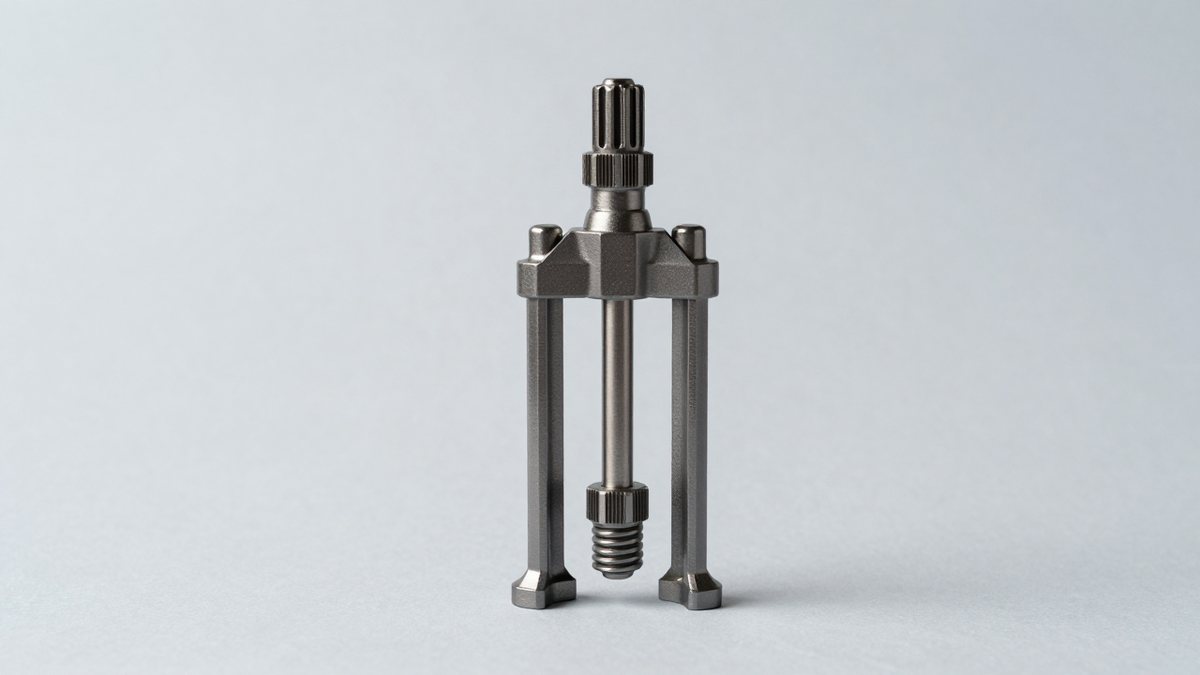
Traditional spring-wing toggles use a machine bolt and two hinged wings. They are inexpensive and widely available, but the wings can fall into the wall when you remove the bolt. Strap-style toggles use a channel that stays behind the wall while you position and tighten the bolt. They are generally easier to install, especially when working alone, though they cost more and require a larger, specific hole.
For a cabinet, choose a toggle whose bolt passes through the cabinet rail or hanging bracket and whose channel or wings fit the wall cavity. Check the package for the required drill-hole diameter, wall-thickness range, and fastener size. Don’t select by a large advertised load rating alone: ratings vary by wall material, thickness, installation, and load direction. A rating for a single anchor in ideal drywall is not a safe working load for a cabinet with several anchors.
Compare strap-toggle bolts if easy positioning and removal matter. For a straightforward, low-cost repair or a light cabinet, spring-wing toggle bolts can be adequate when the wall is sound and you can keep the wings aligned during installation.
Compare common options
| Fastener | Best use | Main trade-off |
|---|---|---|
| Stud screw | Primary cabinet support where a stud is available | Requires accurate stud location and suitable screw length |
| Strap toggle | Hollow drywall when a stud is missed | Larger hole; costs more than a basic toggle |
| Spring-wing toggle | Budget mounting in sound hollow walls | Can be fiddly; wings may drop into the cavity |
| Plastic expansion anchor | Light items with little pull-out force | Not a good primary cabinet anchor in drywall |
Check the wall and load
Before drilling, identify the wall material and thickness. Standard drywall is commonly 1/2 inch thick, but 5/8-inch board and multiple layers are also found. Toggle hardware must fit that thickness, and the wall cavity needs enough clear space for the wings or channel to open. Avoid locations near edges, corners, damaged seams, plumbing, and electrical wiring. A magnetic stud finder can help locate drywall screws, while an electronic detector may help flag wiring; neither replaces caution.
Inspect the cabinet’s back rail or hanging hardware. A thin, split, or poorly attached rail can fail even if the toggle holds. Use the bolt diameter and length specified by the anchor maker, allowing for the cabinet material, bracket, drywall, and the toggle’s required engagement. Don’t substitute a wood screw for a machine bolt in a toggle designed for machine threads. If the fastener would bear on a narrow or soft cabinet edge, reinforce the rail rather than tightening harder.
Install without damaging the wall
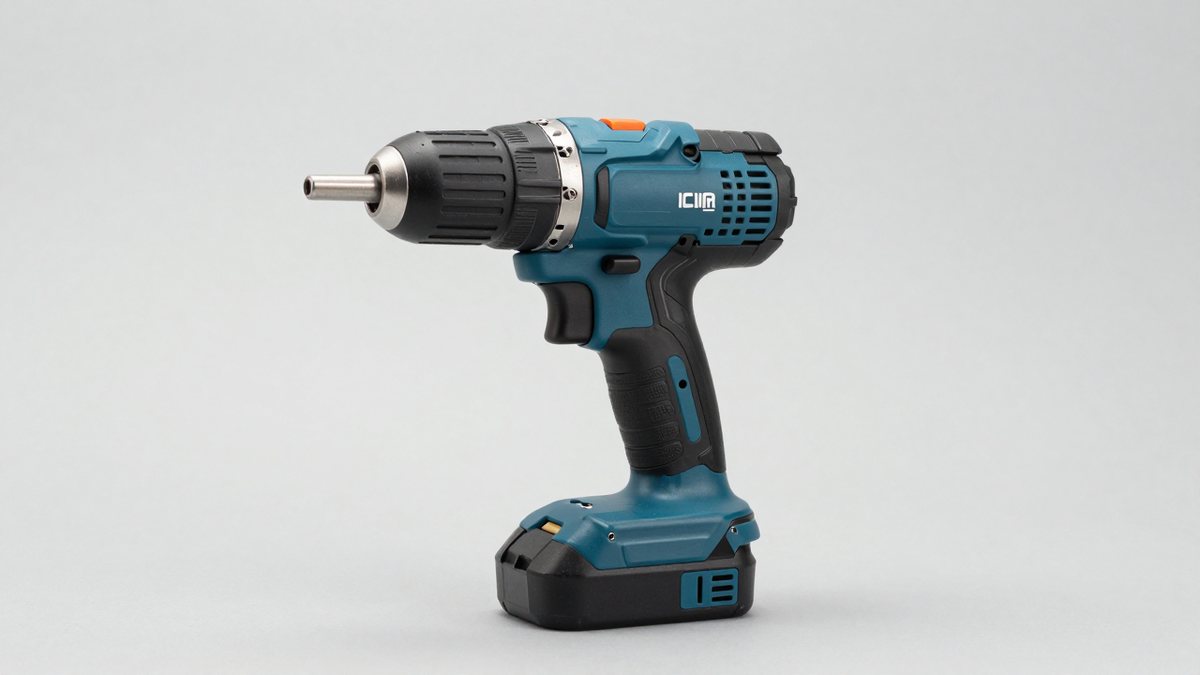
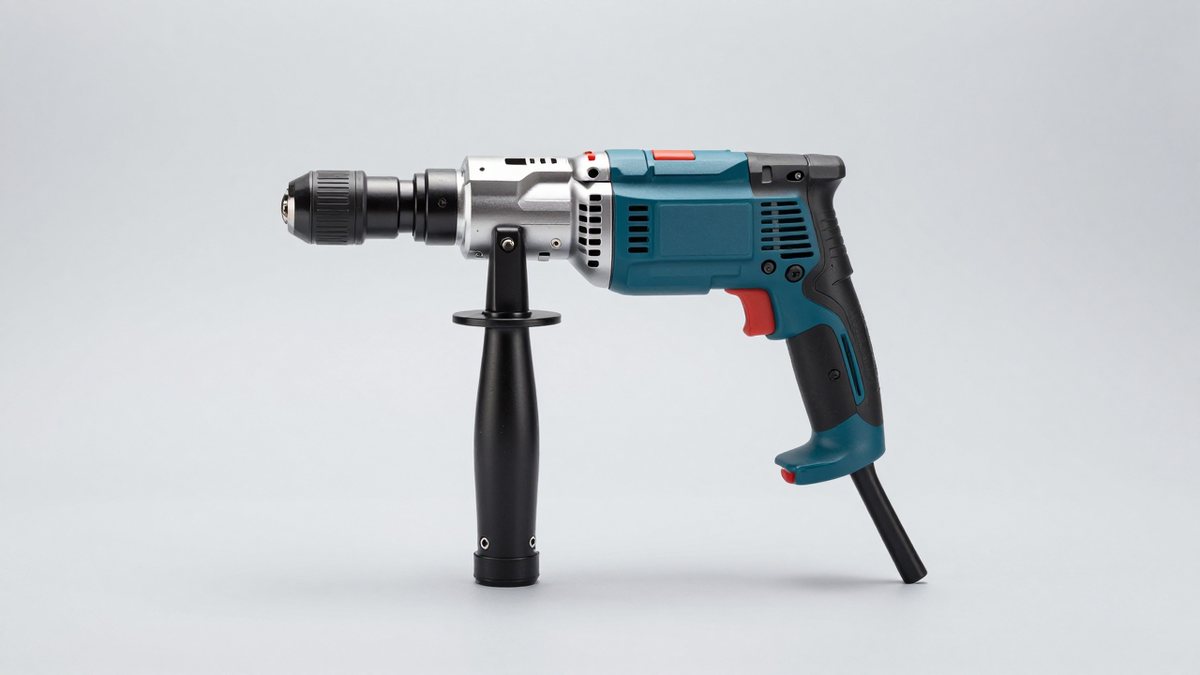
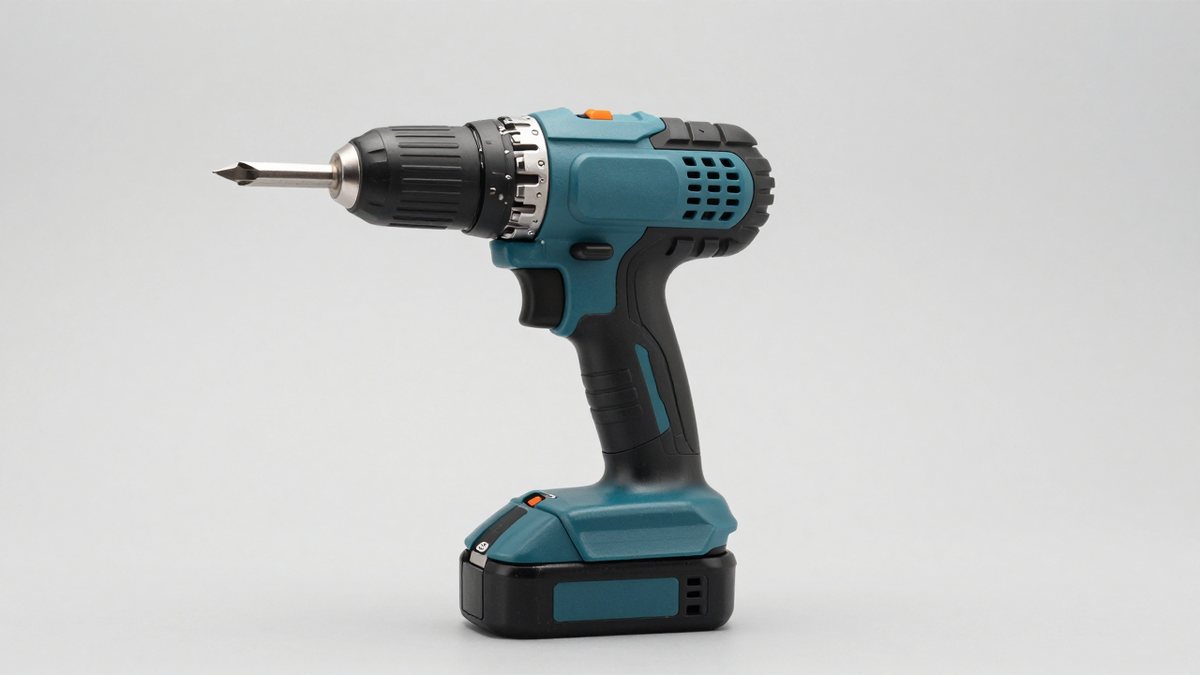
Mark the cabinet holes level and confirm that the planned anchors will not land on a stud. Drill the specified hole with a sharp bit, at low speed and without hammer mode. A hammer drill is for masonry, not drywall; hammering can tear the paper face and enlarge the hole. A cordless drill is sufficient. Keep the bit square to the wall, and clear dust from the opening.
For a spring toggle, thread the bolt through the cabinet rail and wings, fold the wings, then push them through the hole. Keep outward pressure on the bolt while tightening so the wings stay against the back of the drywall. For a strap toggle, follow its instructions: push the channel through, pull it snug to the wall’s back face, lock the straps, break or trim them as directed, then install the bolt. Tighten with a hand tool or a drill on a low clutch setting. Stop when the bracket is snug; over-tightening can crush the gypsum core or pull the anchor through.
Where possible, support the cabinet while fastening it and use stud screws at every available stud location. Don’t hang the cabinet first and then use its full weight to pull the toggles tight. Once mounted, load it gradually and watch for movement, cracking, or a growing gap at the wall. Any such sign means unload it and reassess the backing and fasteners.
Common failure points
A toggle can spin if its wings do not open, the hole is too large, or the bolt is tightened before the wings seat. A strap toggle can also be installed crooked or pulled too hard against the drywall. In either case, stop rather than forcing the bolt; a damaged hole may need to be moved or repaired. Keep anchors separated enough that they do not weaken the same patch of drywall, and follow the maker’s spacing guidance.
Do not rely on a handful of toggles to compensate for a cabinet that is unusually heavy, a wall with crumbling or water-damaged gypsum, or a cabinet full of dense dishes. In those conditions, open the wall and add blocking, fasten a continuous mounting board to studs, or use another engineered support method. Toggles are useful for bridging a gap between studs, not a substitute for a sound structural attachment.
Related guides
More from Amazon
Programs that pair well with the guide above. Offers and eligibility are set by Amazon and may change.
A free business account with business pricing and bulk-buying tools for work, shop or home office.
Create a business accountFree shipping on eligible items, Prime Video and more. Eligible new members can start with a free trial.
Start a Prime free trialAudiobooks and podcasts to listen to on the go. Eligible new members can start with a free trial.
Try Audible freeAd-free music streaming. Eligible new subscribers can start with a free trial.
Try Music Unlimited freeAs an Amazon Associate we earn from qualifying purchases.