What's inside
As an Amazon Associate I earn from qualifying purchases. This post may contain affiliate links at no extra cost to you.
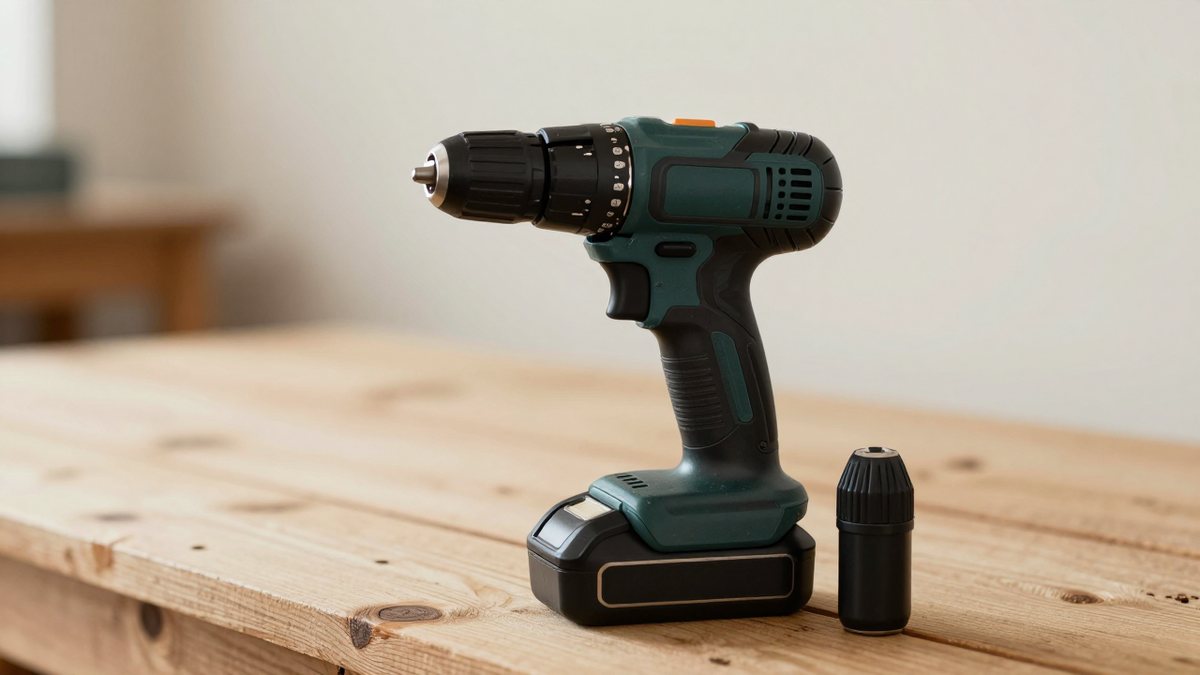
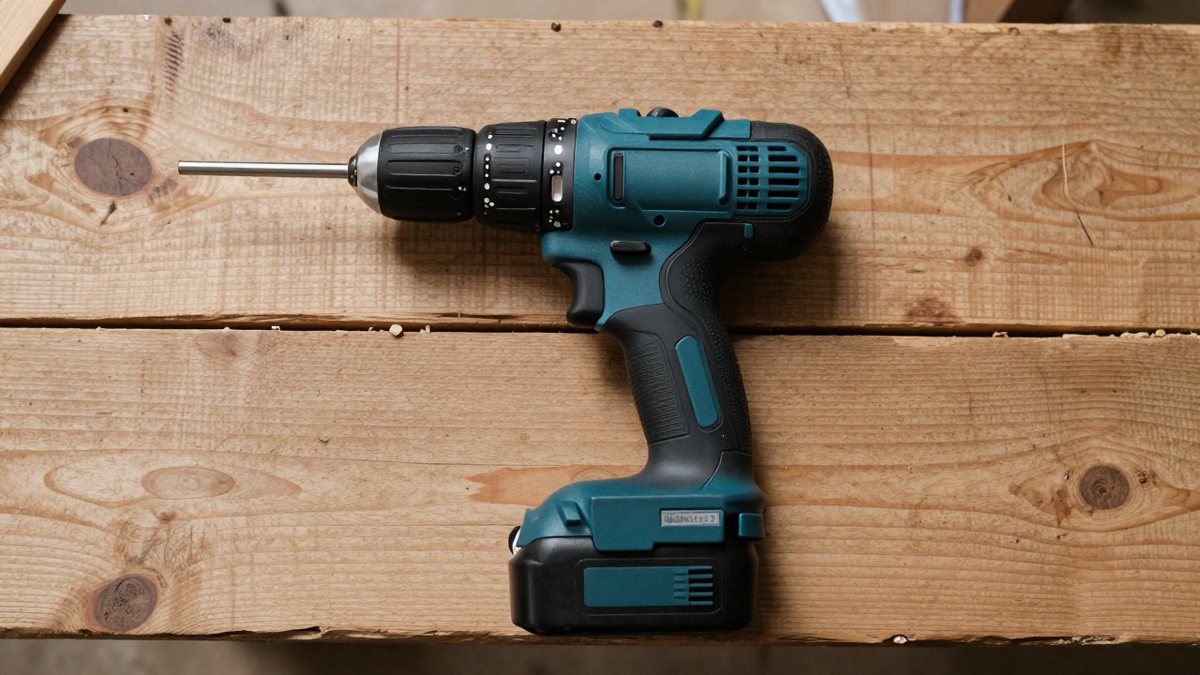
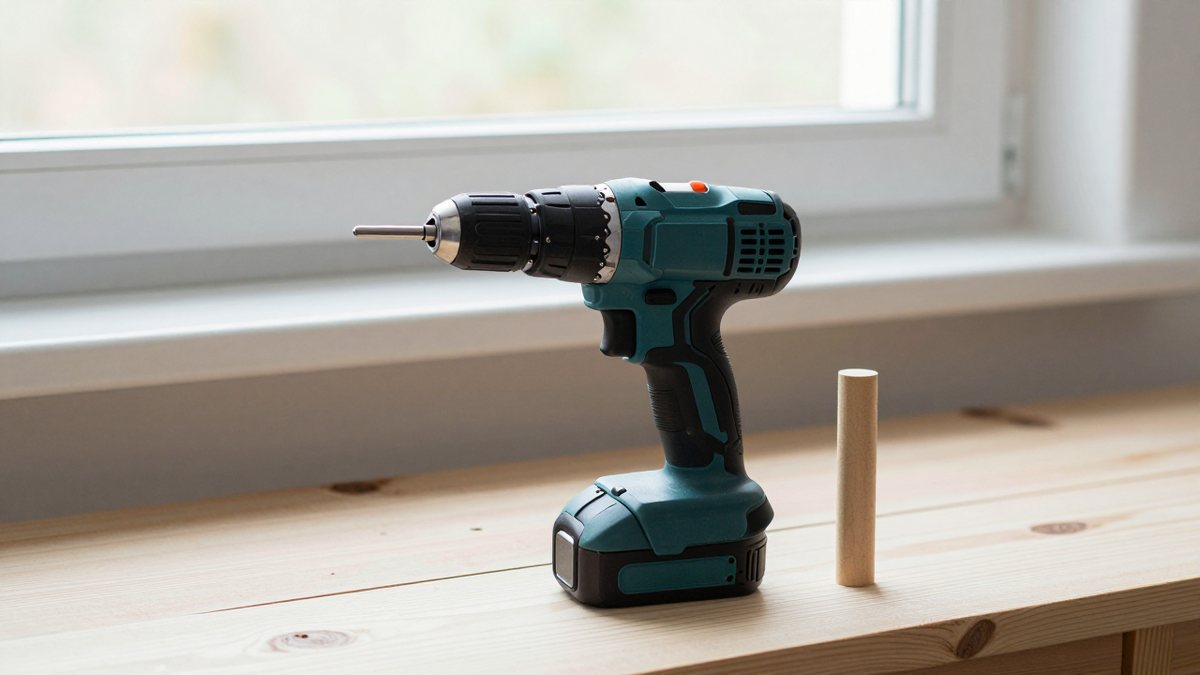
Drilling anchor holes in a foundation wall is a job for a rotary hammer drill only when the hole size or workload calls for one. For a few small holes in sound concrete, a cordless hammer drill is usually easier to handle and costs less. The important details are matching the drill to the anchor, using a sharp masonry bit, and not treating the tool’s advertised torque as a measure of concrete-drilling ability.
As an Amazon Associate we earn from qualifying purchases at no extra cost to you.

What we cover
Our Top Picks
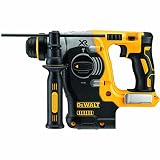
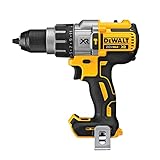
 DEWALT 20V MAX XR 1/2 Inch Brushless CordlessOne Size15.5 x 4 x 8.5 inches4.96 PoundsCheck on Amazon
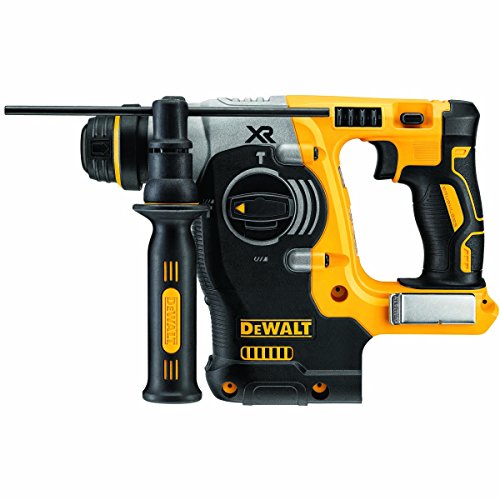
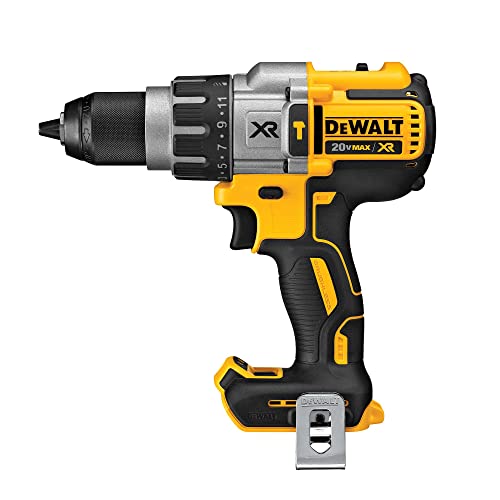


Choose by hole size and workload
A standard cordless hammer drill combines rotation with a rapid hammering action. It works well for occasional holes around 1/4 to 3/8 inch in concrete, provided the drill has a hammer mode and the bit is made for masonry. Progress slows in hard or aggregate-rich concrete, and larger holes can take patience.
A rotary hammer uses a more forceful piston mechanism and SDS-Plus bits. It generally drills concrete faster and with less pressure from the operator, particularly for repeated holes or diameters above about 3/8 inch. The trade-off is extra weight, cost, and bulk. If your project is a handful of small anchors, that performance may not justify the purchase.
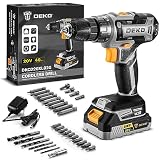
For a general-purpose cordless option, compare cordless hammer drills. If you expect many holes or need larger masonry bits, consider a cordless SDS-Plus rotary hammer instead. Check whether the tool-only price requires a battery and charger you do not already own.
Quick comparison
| Tool type | Best fit | Main trade-off |
|---|---|---|
| Compact cordless hammer drill | A few small anchor holes, lighter-duty use | Slower and more tiring in hard concrete |
| Full-size cordless hammer drill | Occasional holes up to roughly 3/8 inch, broader drilling and driving jobs | Heavier; still not as efficient as a rotary hammer for repeated concrete work |
| Cordless SDS-Plus rotary hammer | Many holes, larger diameters, or stubborn concrete | Higher cost and weight; less convenient for ordinary screwdriving |
What to look for in a cordless drill
For a hammer drill, prioritize a solid side handle, a two-speed gearbox, and a hammer mode you can select separately from drilling and driving. A side handle matters when a bit binds in aggregate; without it, the drill can twist your wrist. A clutch is useful for screwdriving but should not be used as a substitute for controlling the drill during concrete drilling.
Battery capacity affects runtime and balance. A 4.0- or 5.0-Ah battery is a practical choice for a longer session, while a smaller pack keeps the tool lighter for a few holes. If you already own batteries in a compatible tool platform, staying with that system can make more sense than buying a marginally stronger drill with a new charger and battery.
Do not shop by maximum torque alone. Torque ratings describe a different kind of work than drilling masonry. For a rotary hammer, look for SDS-Plus compatibility and a hammer-drilling mode; some also offer a chisel mode, which is unnecessary for anchor holes. Browse SDS-Plus carbide masonry bits if choosing that tool type, and confirm the bit diameter and usable length suit the anchor.
Match the bit to the anchor
Use the hole diameter specified by the anchor manufacturer, not a guess based on the screw. Wedge anchors, sleeve anchors, and concrete screws have different requirements. Too-small holes can prevent an anchor from seating; oversized or ragged holes can reduce holding strength. For concrete screws, the package usually specifies a particular bit diameter and minimum embedment depth.
Use a sharp carbide-tipped masonry bit for a hammer drill. A worn bit cuts slowly, overheats, and can wander at the start. For SDS-Plus tools, use an SDS-Plus bit rather than trying to fit a standard round-shank bit without a proper chuck adapter. An adapter can add wobble and is not a good substitute for the correct bit when accuracy matters.
Drill clean, straight holes
Before drilling, check for buried electrical wiring, plumbing, and other services. Foundation walls can contain utilities, and drilling into them creates a serious hazard. Follow the anchor instructions for edge distance and spacing; holes too close to an edge can crack or break out the concrete. Wear eye protection and hearing protection, and control silica dust with a suitable dust extractor or other approved dust-control method.
Mark the hole and start slowly to keep the bit from skating. Hold the drill square to the wall, switch to hammer mode, and apply steady pressure without leaning your full weight on the tool. Excess pressure can stall the drill, overheat the bit, or make the hole wander. If progress stops, back the bit out to clear dust and check for a dulled bit or unusually hard aggregate rather than forcing it.
Set the depth using the anchor’s required embedment plus the clearance needed for dust at the bottom of the hole. A tape flag on the bit can work for a small job, though a depth stop is more repeatable. After drilling, remove dust from the hole as directed by the anchor maker; dust left inside can interfere with seating and holding capacity.
When a rotary hammer is worth it
Move up to a rotary hammer if a hammer drill takes an unreasonable time per hole, if you have a long run of anchors, or if the specified bit size is beyond what your drill handles comfortably. A corded rotary hammer can be the better value for a one-time, stationary project with many holes and an outlet nearby. For a small number of holes in ordinary concrete, a good cordless hammer drill and the correct sharp bit are usually enough.
Related guides
More from Amazon
Programs that pair well with the guide above. Offers and eligibility are set by Amazon and may change.
A free business account with business pricing and bulk-buying tools for work, shop or home office.
Create a business accountFree shipping on eligible items, Prime Video and more. Eligible new members can start with a free trial.
Start a Prime free trialAudiobooks and podcasts to listen to on the go. Eligible new members can start with a free trial.
Try Audible freeAd-free music streaming. Eligible new subscribers can start with a free trial.
Try Music Unlimited freeAs an Amazon Associate we earn from qualifying purchases.