What's inside
As an Amazon Associate I earn from qualifying purchases. This post may contain affiliate links at no extra cost to you.
Concrete garden walls are a tougher job than brick veneer, timber, or plaster. For a few holes to mount a hose reel, trellis, or light, a cordless hammer drill is usually the practical choice. The right one depends less on headline voltage than on the wall, the hole size, and how many holes you need to make.
As an Amazon Associate we earn from qualifying purchases at no extra cost to you.


What we cover
Our Top Picks
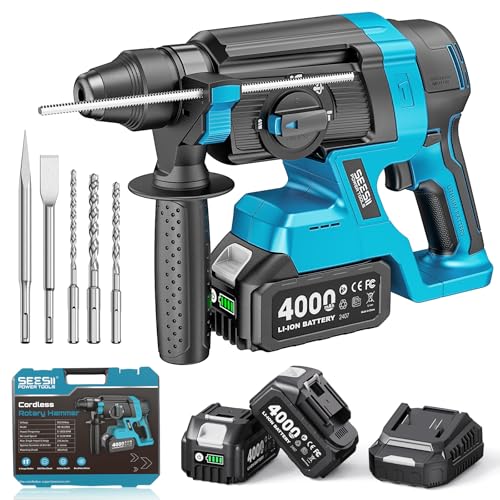
 SDS Plus Cordless Rotary Hammer Drill for De-waltCompatible with DW Battery5 x 5 x 5 inchesCheck on Amazon


Choose the right tool for the wall
A hammer drill spins the bit while pulsing it forward. That action helps a masonry bit cut into concrete, but it is not the same as a rotary hammer, which uses a stronger impact mechanism and is better for repeated or large holes.
For occasional holes about 6–10 mm (¼–⅜ inch) wide and up to roughly 75 mm (3 inches) deep, a good 18V or 20V cordless hammer drill is generally adequate. If you need many holes, holes larger than about 12 mm (½ inch), or deep holes in hard concrete, consider a cordless rotary hammer with an SDS-Plus chuck instead. It costs more and is bulkier, but it makes that work faster and puts less strain on the operator.
Before buying, check what the wall is made of. A garden wall may be solid concrete, concrete block, brick, or stone; these materials drill differently. Avoid drilling into loose, cracked, or visibly deteriorated masonry. If you suspect a reinforced section or buried electrical conduit, plumbing, or irrigation, check first rather than drilling blind.
What to buy
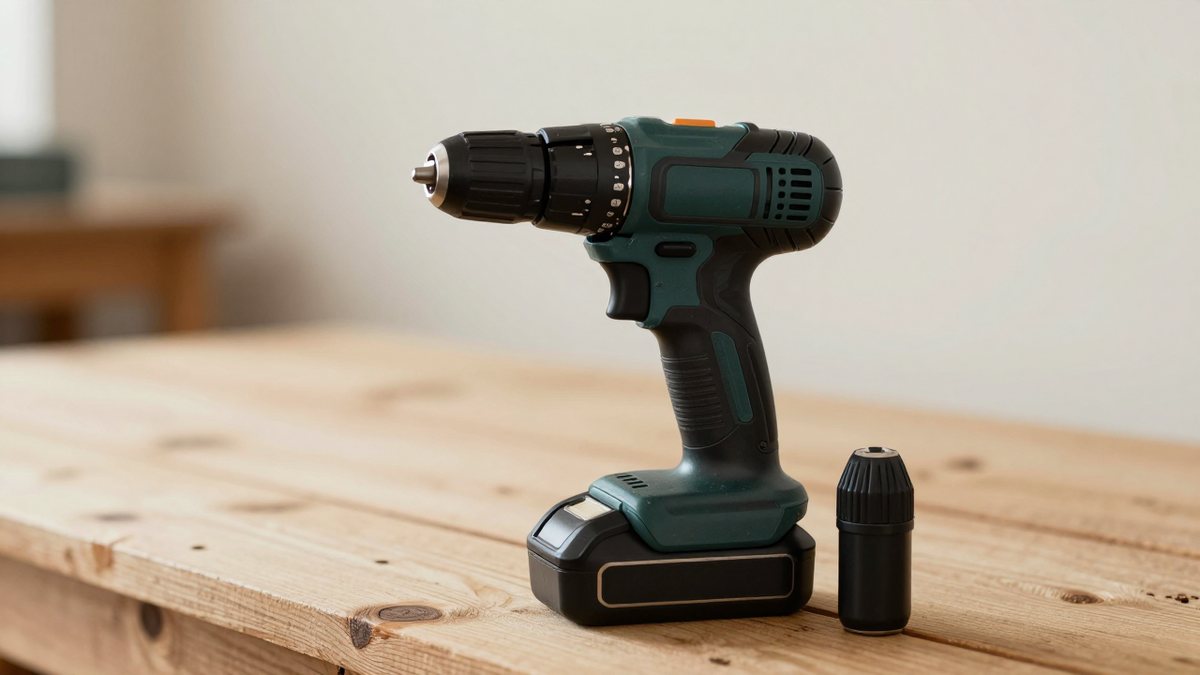
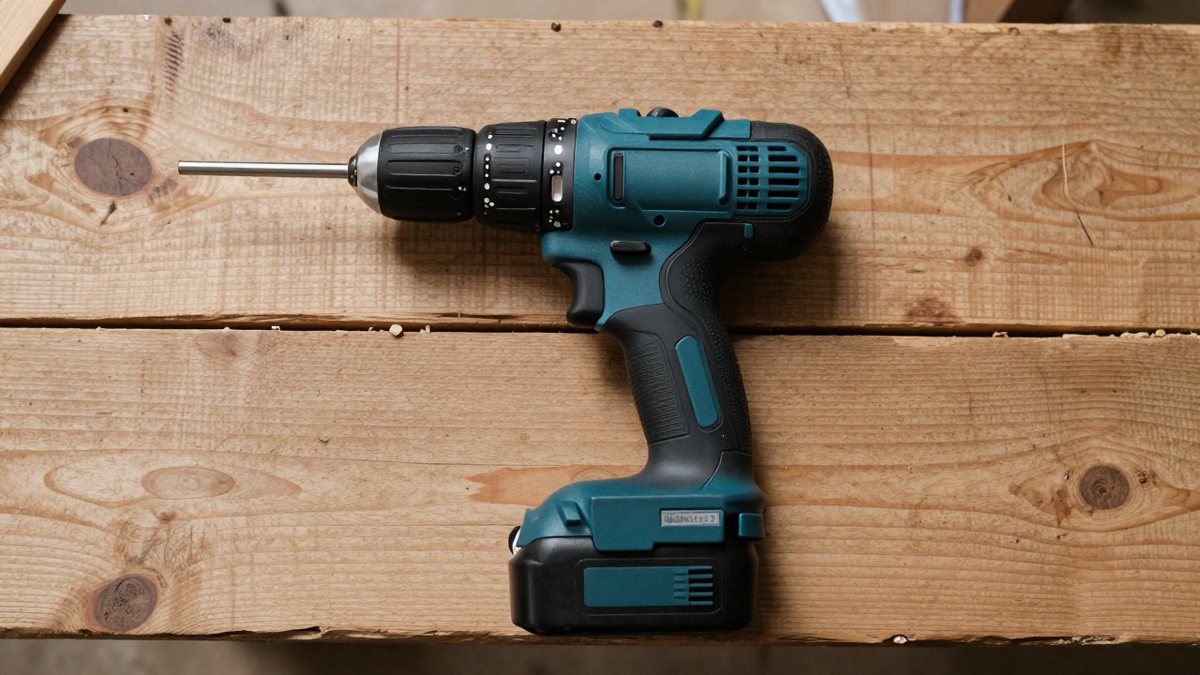
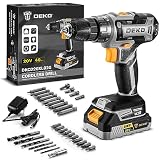
Look for a cordless hammer drill with a two-speed gearbox, a side handle, a clutch, and a keyed or keyless chuck that accepts the bit sizes you need. A side handle is valuable: masonry bits can catch, especially when they meet aggregate or steel, and the drill can twist suddenly. Use a fully charged battery; a 4–5 Ah pack is a useful balance for several holes, while a small 2 Ah battery may run down quickly in hard concrete.
For a short list of mounting holes, a midrange 18V cordless hammer drill kit is usually enough. Spend extra for a stronger drill or a second battery if you expect regular masonry work, larger bits, or long sessions. If concrete is the main job rather than an occasional one, compare cordless SDS-Plus rotary hammers. A smaller rotary hammer can outperform a larger-looking hammer drill in concrete because its impact mechanism is designed for masonry.
| Job | Practical choice | Main trade-off |
|---|---|---|
| Two to ten small anchor holes | 18V/20V hammer drill and carbide masonry bit | Slower in dense concrete; suitable for occasional work |
| Many holes or holes over 12 mm (½ inch) | SDS-Plus rotary hammer | Higher cost and more tool than a small mounting job needs |
| Soft brick or block | Hammer drill on low speed; switch hammer action off if material crumbles | Less aggressive drilling reduces damage but takes longer |
Bits and anchors matter
Use a sharp, carbide-tipped masonry bit, not a wood or general-purpose twist bit. Match the bit diameter to the anchor manufacturer’s instructions; a nominal 6 mm anchor, for example, commonly calls for a 6 mm hole, but verify the package. Use a bit long enough to reach the required depth without running the chuck against the wall. A depth stop, or tape wrapped around the bit, helps prevent drilling too deep.
Choose an anchor rated for the load and the masonry type. Light items such as a small trellis may suit a masonry plug and screw; heavier or frequently loaded fixtures need a more substantial anchor specified for concrete or masonry. Do not assume a plastic plug is suitable just because it fits the hole. Keep the planned hole away from edges and joints where possible: drilling too close to an edge can split masonry, and a fixing in a mortar joint may be weaker than one in sound brick or concrete.
Drill clean holes without overheating
Mark the hole and start with the drill square to the wall. Select hammer mode for sound concrete and use low gear for control. Let the bit do the cutting rather than forcing the tool; excessive pressure can overheat the tip, slow drilling, or make the drill kick if the bit binds. Pull the bit out occasionally to clear dust, especially in a deep hole. If the bit stops advancing, back it out, clean the hole, and check whether it has hit a stone or reinforcement. Do not keep leaning on it.
In soft or fragile brick, turn hammer action off and test in an inconspicuous spot. Percussion can blow out the back of a thin wall or break the face around the hole. If the bit wanders, make a small pilot mark or start with a smaller masonry bit, then enlarge carefully. Wear eye protection and hearing protection, and use a dust mask; concrete drilling creates fine silica-containing dust. Keep both hands on the drill, use the side handle, and avoid loose gloves near rotating parts.
Common problems and when to stop
A polished or burned-looking bit usually means it is dull, overheated, or being pushed too hard. Replace it rather than continuing to grind. A hole wider than the anchor can result from a worn bit, a wobbling drill, or drilling at an angle; the anchor may then spin instead of gripping. Vacuum or brush dust from the hole before inserting the fixing, following the anchor instructions, since dust can reduce holding strength.
If a hammer drill makes little progress in dense concrete after a sharp bit, steady technique, and battery check, switching to a rotary hammer is often the sensible fix. For one stubborn hole, borrowing or renting one may cost less than buying a heavier drill. Conversely, buying an SDS-Plus tool for four small holes is hard to justify if a sound cordless hammer drill is already on hand.
Related guides
More from Amazon
Programs that pair well with the guide above. Offers and eligibility are set by Amazon and may change.
A free business account with business pricing and bulk-buying tools for work, shop or home office.
Create a business accountFree shipping on eligible items, Prime Video and more. Eligible new members can start with a free trial.
Start a Prime free trialAudiobooks and podcasts to listen to on the go. Eligible new members can start with a free trial.
Try Audible freeAd-free music streaming. Eligible new subscribers can start with a free trial.
Try Music Unlimited freeAs an Amazon Associate we earn from qualifying purchases.